
Why Counter Meat From a Local Butcher Tastes Different Than the Grocery Store Cooler
You are standing at the grocery cooler holding a shrink wrapped steak, tilting the package so the light catches it, and there is a little pool of pink liquid sliding around the bottom of the tray. You take it home, salt it, sear it your usual way, and something is off. The texture is loose, the flavor washes out fast, and it never browns the way you wanted. Then you remember the steak you bought off a butcher counter a few weeks back, how it smelled clean and beefy, how it crusted up dark in the pan, and how it actually tasted like something.
That gap is real, and you are not imagining it. The flavor difference between counter meat and grocery cooler meat comes down to a short list of things you can actually taste: how long the meat is aged, how recently it was cut, how it is packaged, and where the animal came from. The grade stamped on the label matters far less than most shoppers think. After breaking down whole and half carcasses week after week out here on the Wyoming high plains, we can tell you the difference starts long before the meat ever reaches your pan.
What You Are Actually Tasting
The flavor you notice first is concentration. Fresh cut counter meat tastes more like beef because the muscle has had time to age and lose water, and because it has not been sitting sealed in its own juices for two weeks of shipping. Grocery cooler meat often tastes thinner because the supply chain is built for shelf life and uniform appearance, not for flavor.
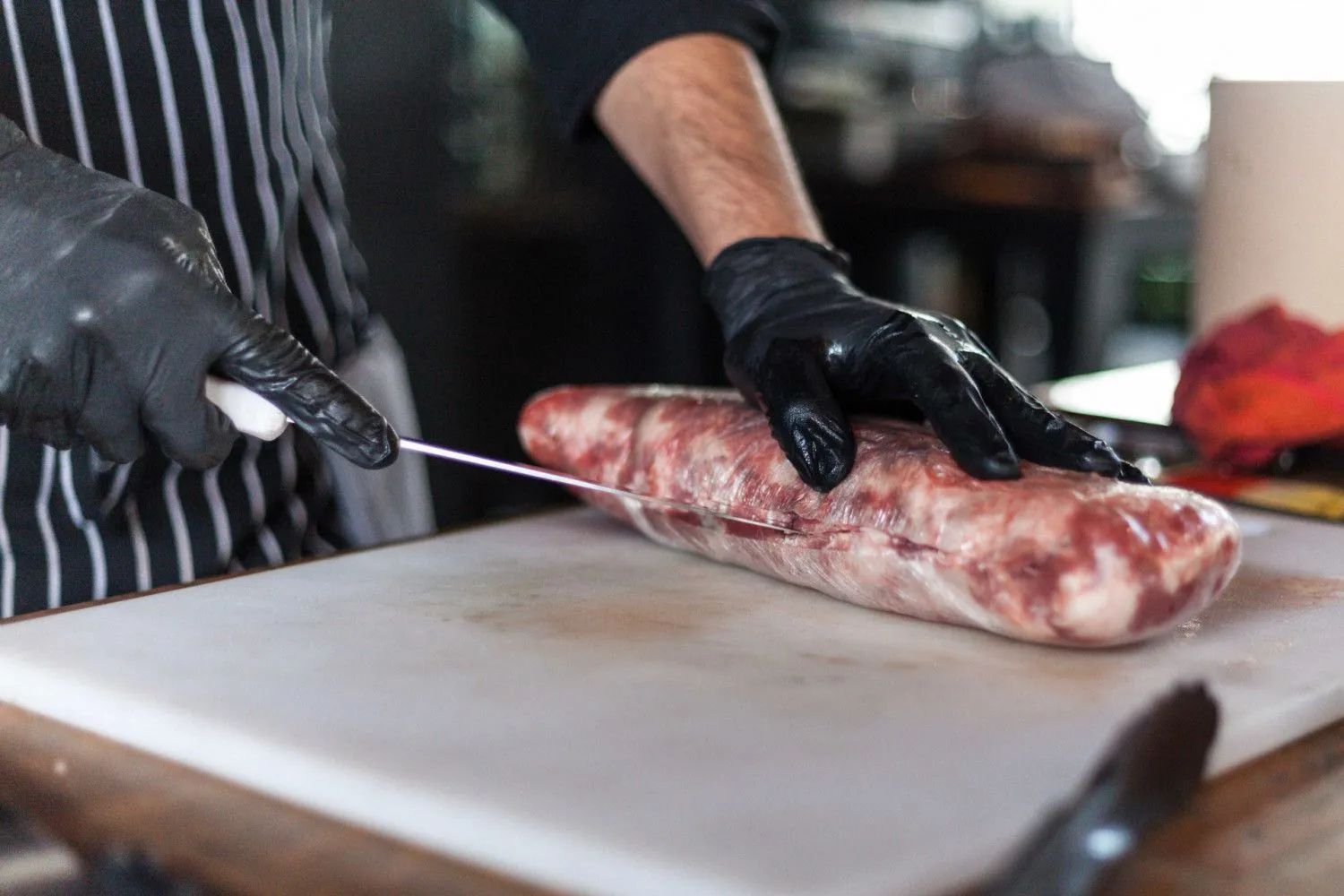
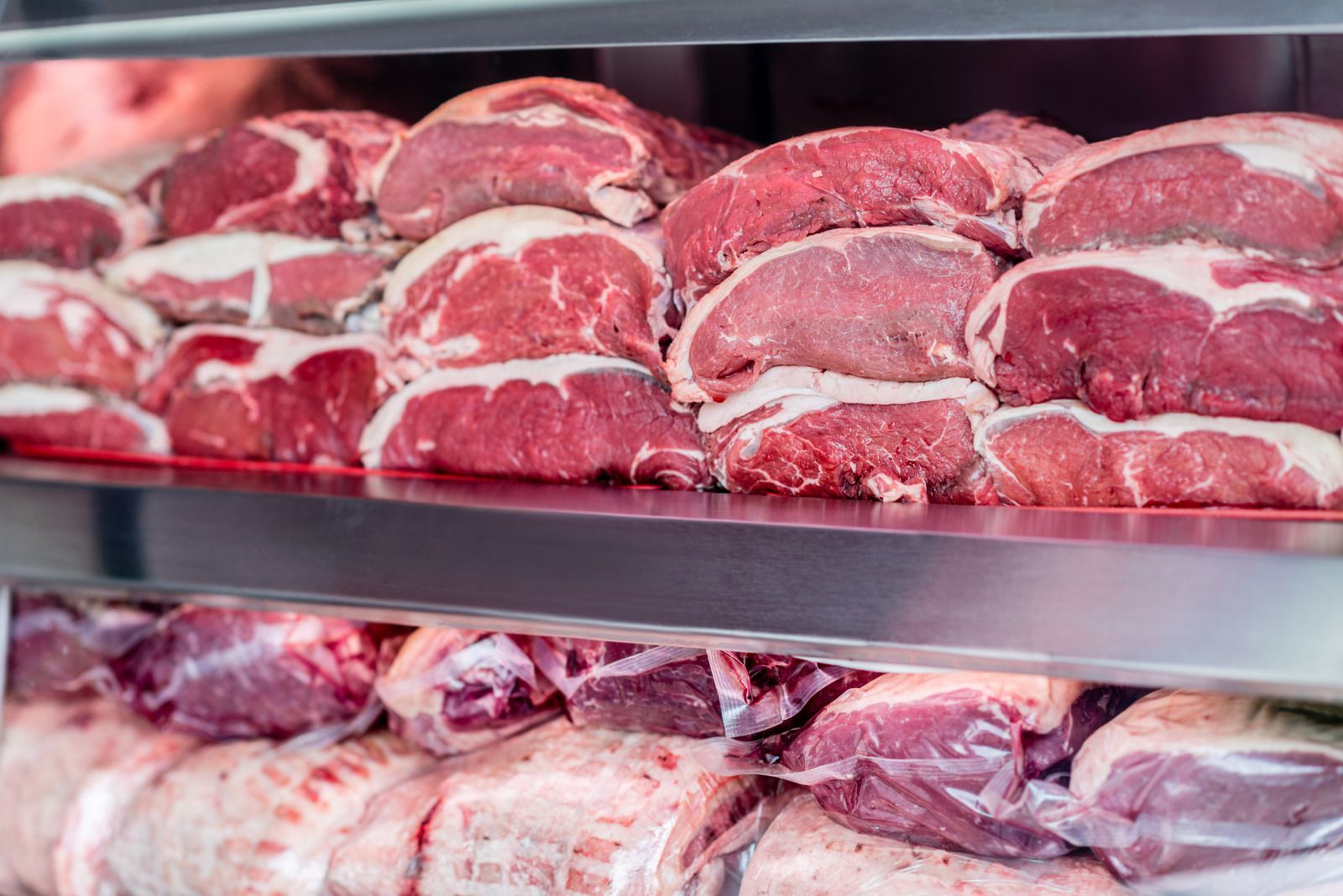
Most cooler steaks arrive as boxed primals that were cut and vacuum sealed at a packing plant several states away. By the time that meat reaches a shelf, it may be 14 to 21 days out from the kill floor, and it has spent that whole stretch sealed in plastic, weeping liquid the trade calls purge. That purge is muscle moisture, and once it leaves the meat it takes flavor and clean texture with it. When we cut to order, the steak you carry out was a whole subprimal that morning.
The Aging Difference
Aging is the single biggest reason counter meat and cooler meat taste different. There are two kinds, and they are not equal.
Wet aging happens inside a vacuum bag, which is what most grocery beef goes through by default during shipping. The meat tenderizes because natural enzymes keep working, but it sits in its own moisture the entire time, which can leave a faintly sour or metallic note. Dry aging is the one you taste on a good counter steak. We hold cuts in a cold room near 34 to 38 degrees with steady airflow and humidity around 80 percent, and over 21 to 45 days the surface dries while enzymes called calpains break down muscle fiber and connective tissue. Water evaporates, the beef flavor concentrates, and the meat picks up a nutty, almost buttery depth that no vacuum bag can produce.
The dry Wyoming air actually helps here. Chugwater sits above 5,000 feet on the high plains, where humidity stays low for much of the year, and that climate makes dry aging more forgiving than it would be in a damp coastal town.
Why the Grocery Cooler Looks So Red
Here is the part that fools almost everyone. A cooler steak that looks vivid cherry red is often older than the duller looking cut at a counter, not fresher.
When we slice a fresh steak and the surface hits oxygen, the muscle pigment blooms to bright red within about 30 minutes. That color fades to brown over a day or two as the pigment oxidizes, which is normal and has nothing to do with spoilage. Large grocery operations get around that fade with modified atmosphere packaging, sealing case ready meat with a gas blend that locks the red color in place for many days. So the steak that looks the most appetizing in the cooler may simply be color stabilized, while the meat at our counter shows its true age honestly.
TIP: The clearest test you can run at home is the smell and the pan. Fresh counter meat smells faintly sweet and beefy, and it browns into a dark crust because there is less surface water fighting the heat. Watery cooler meat steams and grays before it ever sears.
How Local Sourcing Changes the Flavor
Where the animal lived and what it ate shows up in the fat, and fat carries most of the flavor. This is where a local counter pulls ahead of a national cooler shelf.
Much of the beef in a chain cooler is commodity product blended from many animals and finished for a uniform spec, which sands down the regional character. We work with cattle raised on ranches around southeast Wyoming, where the high plains grass and the long cold winters produce beef with firmer, cleaner tasting fat. Grass fed and grain finished animals from this country carry a flavor that reflects the place. Because the animals travel a short distance, they reach us with less stress and shorter transit, and that calmer handling protects both texture and taste.
Ground beef shows this off best. We grind fresh from the trim of cuts we broke down ourselves, so you know what is in it. Pre ground cooler beef is often milled from scraps off many carcasses and pressed lean to a label number, which is why it can cook up flat and dry.
Common Things Shoppers Get Wrong
The most common mistake is chasing the brightest red package and treating color as a freshness gauge. As covered above, color is the least reliable signal in the case, since the reddest meat may be the most heavily packaged. A better gauge is firmness, a clean smell, and fat that looks creamy rather than gray.
Another frequent miss is buying lean for flavor. Shoppers trim fat at the cooler thinking they are buying quality, then wonder why the meat tastes weak. Marbling, the thin threads of fat inside the muscle, is where most of the beef flavor and juiciness live. When we leave a fat cap on a roast or marble into the grind, that is on purpose.
The last one is storage.
Counter meat is cut fresh and has not burned through its shelf life in a shipping bag, so it rewards you for cooking it within a few days rather than freezing it the moment you get home. A quick thaw and refreeze cycle on cooler meat is also a quiet flavor killer that a lot of good cooks do without realizing it.
Frequently Asked Questions
Is butcher counter meat actually fresher than grocery store meat?
Usually yes. Counter cuts are sliced from whole subprimals on site, often the same day you buy them. Grocery cooler meat is frequently cut and sealed at a distant plant, then shipped, so it can be two to three weeks old before purchase. That extra time sealed in plastic is something you can taste later.
Does dry aged beef really taste better than wet aged?
It tastes deeper, not just better. Dry aging evaporates water and concentrates flavor while enzymes tenderize the muscle, adding a nutty richness. Wet aging tenderizes too but keeps the meat in its own moisture, which can leave a milder, slightly metallic edge. Most cooks notice the real difference the moment that steak hits the pan.
Why does grocery store meat look brighter red than counter meat?
Many large operations seal case ready cuts in a gas blend that holds the red color for days. Fresh counter meat blooms red when cut, then naturally browns within a day or two. Bright red often signals packaging, not freshness or quality. A slightly duller cut at our counter is usually the more honest one.
How long does fresh cut butcher meat last in the fridge?
Plan to cook fresh cut counter steaks and roasts within three to four days, and ground beef within one to two. Because it was not aged for weeks inside a shipping bag, it rewards quick cooking and does not need immediate freezing. Keep it cold near the back of the fridge and cook it sooner.
Is local Wyoming beef worth buying over a chain cooler?
For flavor, yes. Cattle raised on the high plains around southeast Wyoming carry firmer, cleaner tasting fat shaped by the grass and the cold. Short transit means less stress and better texture than commodity beef trucked in from far away. You also know where it came from, which is something a chain cooler rarely offers.
Reliable Counter Service Built On Real Butchering Experience
The honest takeaway is that flavor lives in aging, fresh cutting, fat, and sourcing, not in the color of the package or the grade on the sticker. Out here in Chugwater that difference runs even deeper, because the dry high plains air sharpens our dry aging and the surrounding ranches give us beef with real regional character a national cooler cannot match. With 3 years of breaking down local carcasses by hand, Chug Springs Butchery cuts to order for cooks across Chugwater, Wyoming. Come taste the counter difference, tell us how you like to cook, and we will cut you something worth the trip.