
Waiting on Your Beef? What Actually Determines Your Custom Processing Timeline
Quick Answer:
Most custom beef processing runs somewhere between two and four weeks from drop-off to pickup, and the biggest variable isn't the cutting itself, it's the aging window. A carcass has to chill down to a safe temperature before any cutting begins, then rest in the cooler for one to three weeks so the meat has time to tenderize, and only after that does fabrication into steaks, roasts, and ground product actually start. Add a busy season or a detailed cut sheet with sausage or specialty grinds, and the timeline stretches a bit further.
Why the Clock Doesn't Start With the Cutting
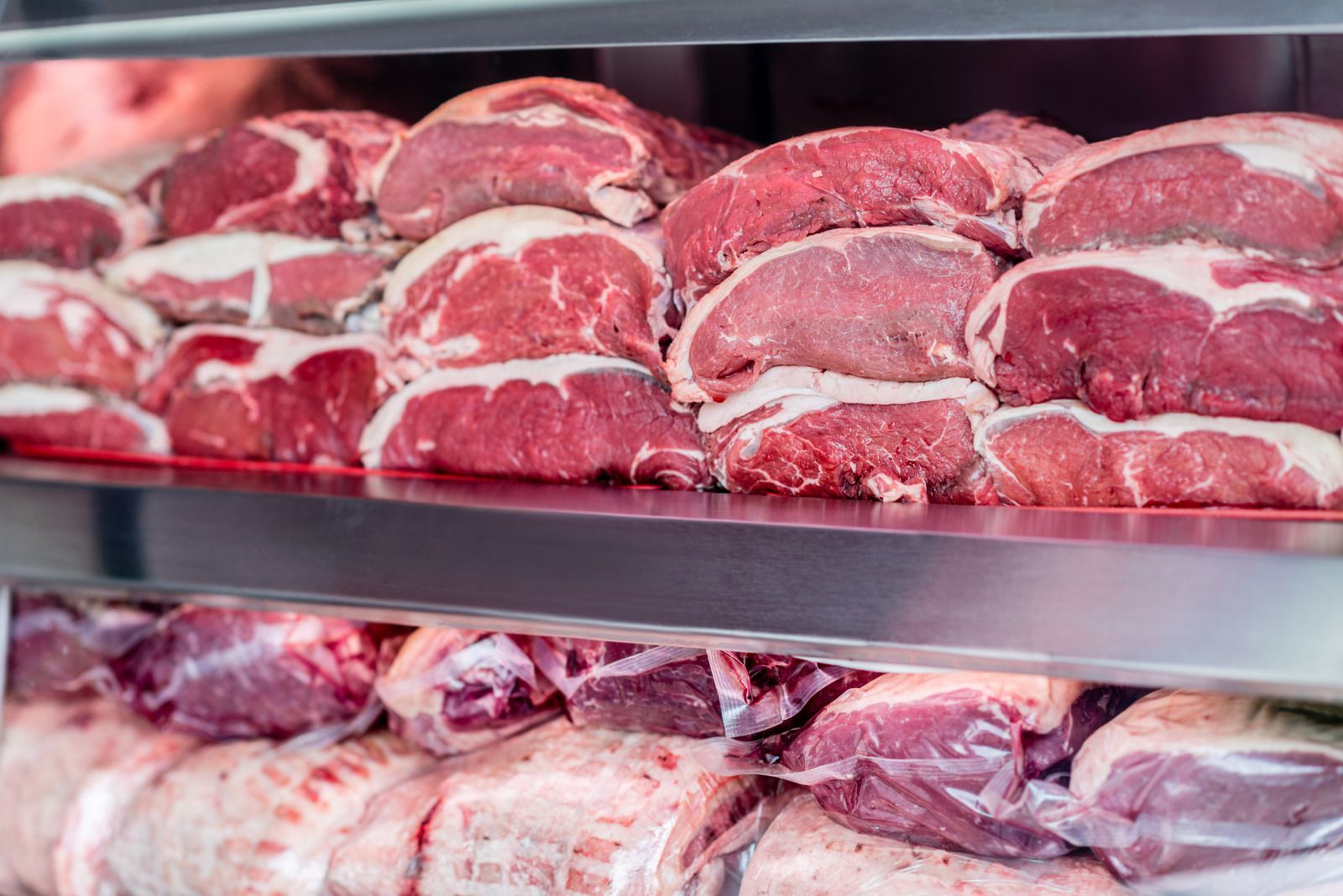
A lot of first-time customers picture beef processing as a single afternoon of cutting and wrapping. It isn't. The knife work is one of the last steps, not the first. Once an animal comes in, it has to chill down properly before a butcher can safely fabricate it into primal cuts, and that cooling period matters for both food safety and quality. Meat that's cut while still warm doesn't hold its shape well, bleeds more in the package, and doesn't age evenly. A proper chill-down typically takes a day or two on its own. And that's before the aging clock even starts.
This is also why a butcher can't just squeeze your animal in between two others on a busy Tuesday. Cooler space is limited, and every carcass hanging in it needs a set amount of time and airflow. A shop juggling beef, pork, lamb, and specialty animals like yak and bison has to plan cooler space carefully so nothing gets rushed out early or left hanging longer than it should.
Aging Is Where Most of the Wait Comes From
If you're wondering why processing takes weeks instead of days, aging is usually the answer. Research on beef aging consistently shows that tenderness improves fastest during the first couple of weeks and then levels off. A steak aged for fourteen days is noticeably more tender than one aged for seven, and many cuts reach their best balance of tenderness and flavor somewhere between fourteen and twenty-one days. Some tougher cuts, like bottom round, actually benefit from aging closer to three weeks to reach their full potential. Beyond that point, the improvements get smaller and the meat starts trading tenderness gains for stronger, more concentrated flavor, which is really a matter of personal preference rather than a hard rule.
Wet aging, where the beef ages in vacuum-sealed packaging, and dry aging, where it hangs exposed to controlled cold air, both work through the same natural enzyme process, just at different rates and with different results on the plate. Dry aging tends to take longer and produces a more concentrated, nutty flavor along with some trim loss, while wet aging is faster and yields a cleaner, milder taste. Neither one is better across the board, it depends on what you're after.
TIP: If you know you want a longer aging period for richer flavor, say so when you schedule your drop-off rather than after the animal is already hanging. Cooler space gets planned in advance, and locking in your preference early gives your butcher room to work with.
Fabrication and Your Cut Sheet Add Their Own Time
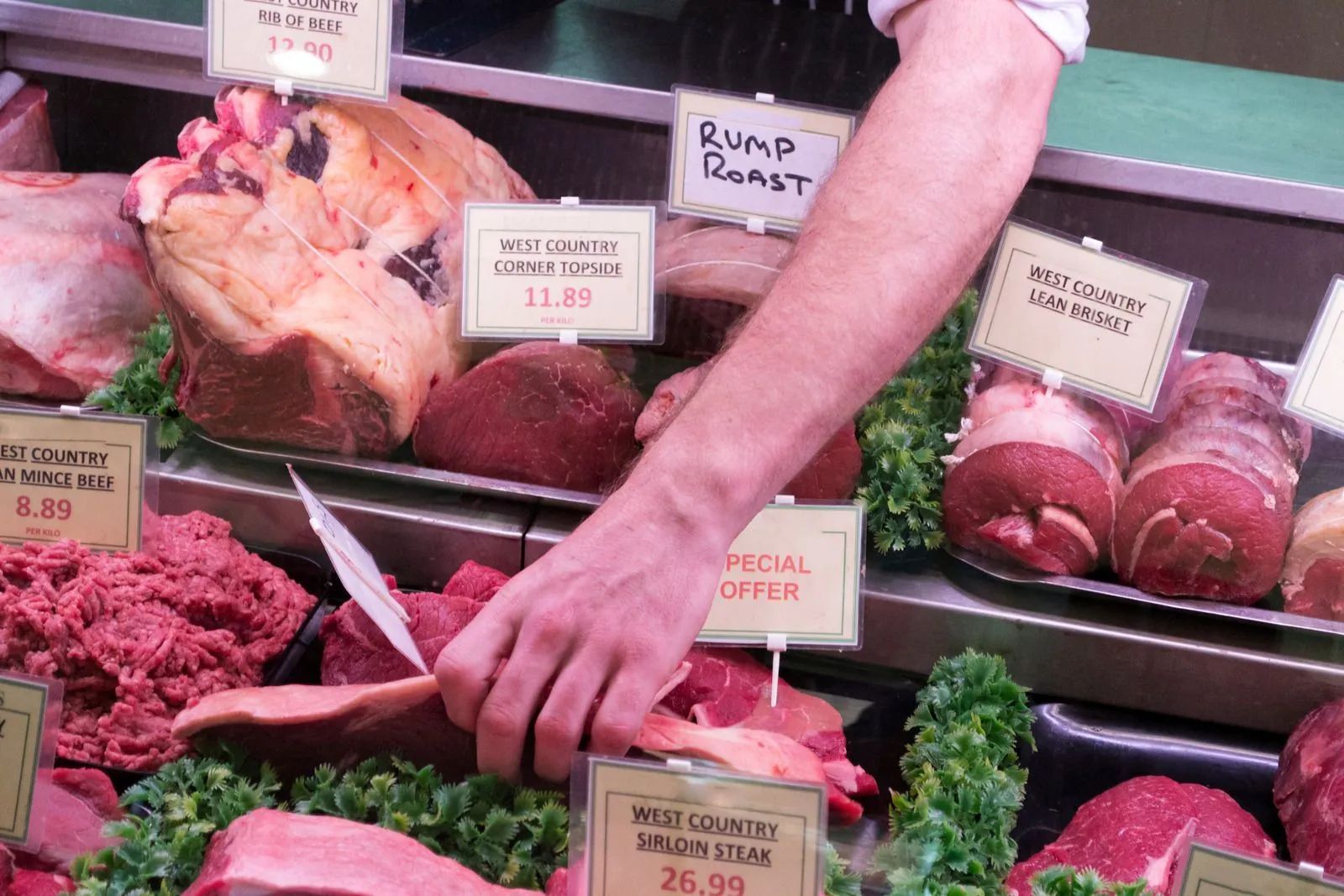
Once the aging window closes, the actual cutting begins, and this is where your cut sheet shapes the timeline almost as much as aging does. A simple order with standard steaks, roasts, and ground beef moves through fabrication fairly quickly. But custom work takes more hands-on time. Portion control for smaller households, specialty slicing for deli-thin cuts or paper-thin slices for hot pot, custom blends of ground meat with specific fat ratios, and specialty products like house-made sausage or gourmet burger patties all require extra steps beyond a standard breakdown. None of that is a bad thing, it's exactly what makes a custom order worth the wait, but it does mean a detailed cut sheet with several specialty requests will naturally take a bit longer to complete than a bare-bones order.
Packaging preferences factor in too. Vacuum-sealing for long-term freezer storage takes more time per package than simple butcher paper, but it also protects the meat far better once it's in your freezer. If you're planning to hold onto a bulk order for months, that extra packaging time upfront is worth it.
Seasonal Timing Shifts the Wait
Out here in ranch country, processing schedules move with the calendar. Fall brings both harvest season for cattle producers and hunting season for wild game, which means coolers fill up fast and turnaround times stretch. The weeks leading into the holidays bring another wave, as home cooks stock freezers for family gatherings and gift boxes. If your timing lines up with either of those stretches, expect the wait to run closer to the longer end of that two-to-four-week range, simply because there's more product moving through the same cooler space and the same crew.
Booking your drop-off date well ahead of these busy windows is the single easiest way to avoid a longer-than-expected wait. A processor working through a spring lull can often turn an order around faster than one buried under fall harvest and hunting season deliveries.
How Far Ahead You Should Book
For ranch families and small producers across Wyoming, Colorado, and Nebraska, drop-off dates for fall and early winter often fill up months in advance, so calling in late summer to lock in a spot is common practice rather than being overly cautious. If you're buying a half or whole beef from a local producer, coordinate with them early too, since they'll need to schedule their own delivery date around available cooler space at the processor. Spring and early summer tend to be quieter stretches, which can work in your favor if your schedule is flexible and you're not tied to a specific holiday or event.
It also helps to think about your order in terms of what you actually need rather than defaulting to the longest possible aging window every time. A family stocking a chest freezer for year-round meals doesn't necessarily need the same extended aging treatment as someone building toward a specific dinner where flavor concentration is the whole point. Being clear with your butcher about what matters most to you, freezer efficiency, peak tenderness, or a bit of both, helps them plan cooler time more efficiently for everyone in the queue.
Handling Your Order Once It's Ready
Warning: Once your order is ready for pickup, don't let boxes sit in a hot vehicle or on a porch for hours before getting them into a freezer or fridge. Vacuum-sealed and freshly cut meat is at its best quality the moment it's packaged. Time spent at unsafe temperatures during transport undoes a lot of the careful chilling and aging that went into it. Bring a cooler with ice packs for the drive home, especially in warmer months, and get everything into cold storage as soon as you're back.
Planning your pickup day around your freezer space also helps. A larger custom order, especially a half or whole animal's worth of meat, takes up more room than most people expect, so it helps to have that space cleared out and ready before pickup day arrives rather than scrambling afterward.
What You Can Do to Keep Your Order Moving
The clearest way to keep your processing timeline on track is communication upfront. Give clear, specific instructions on your cut sheet the first time rather than leaving decisions for later, since back-and-forth questions during fabrication can slow things down. Decide on your aging preference before drop-off, ask about current scheduling before you commit to a date, and if you have a target date you need your order by, mention it when you book rather than assuming it will work out. A shop that processes beef, pork, lamb, and less common animals like yak and bison for ranchers, hunters, and home cooks across a wide service area is balancing a lot of orders at once, and a little planning on your end goes a long way toward a smooth pickup.
Frequently Asked Questions
Does a smaller cut of beef process faster than a whole animal?
Not by much. The aging window is largely the same regardless of size, since it's driven by the chilling and tenderizing process rather than the volume of meat. Fabrication of a smaller order does tend to move a bit quicker once cutting starts, but the bulk of your wait still comes from the time on the cooler rail.
Can you request a shorter aging period if you want your meat sooner?
Yes, and it's worth discussing when you drop off your animal. A shorter aging window means less time in the cooler, though it can mean slightly less tenderness improvement compared to a full two or three weeks. It's a trade-off worth talking through based on what matters most to you.
Why does wild game sometimes take longer than beef?
Wild game often arrives during a compressed hunting season window, which means more animals move through the cooler in a shorter stretch of time. Game also frequently comes in with special requests like summer sausage or jerky, which adds its own processing steps beyond a standard cut list.
Is there a way to check on my order while it's processing?
Most processors are happy to give you a status update if you reach out partway through, especially if your aging window is on the longer side. It's a reasonable thing to ask about, particularly if your pickup timing needs to line up with a specific event or gathering.
A Better Timeline Starts With Better Planning
Custom beef processing takes time because every stage plays a role in the quality of the finished meat. Proper chilling, carefully managed aging, precise fabrication, specialty requests, and secure packaging all need to happen in the right order. With 3 years of experience, Chug Springs Butchery in Chugwater, Wyoming understands how these steps work together. Knowing what happens behind the scenes makes a two-to-four-week processing window easier to understand and helps set realistic expectations from the beginning.
Planning ahead also makes the entire process smoother, particularly during fall harvest, hunting season, and other busy periods. Clear cut instructions, an agreed aging preference, and adequate freezer space can prevent unnecessary delays or last-minute complications. Custom processing is ultimately about balancing time, tenderness, flavor, and individual preferences rather than simply finishing as quickly as possible. When each stage is given the attention it requires, the result is properly handled beef that is packaged efficiently and ready for dependable freezer storage.